A quiet roof space can shelter rats, which commonly nest in roof voids, wall spaces, under eaves and in dense garden vegetation. If you hear scratching overhead or see signs of rats in your roof, they may have found shelter, nesting material and food nearby.
It’s natural to wonder what is attracting them, especially when the roof is hard to access. This guide explains where roof rats live, how to recognise signs such as droppings and greasy travel marks, what can attract them, and how they may damage a home or create hygiene concerns.
Key Takeaways
- Look for signs such as droppings, scratching noises and dark, greasy marks along beams or pipes.
- Roof voids, wall spaces, eaves and dense vegetation can provide rats with sheltered nesting places.
- Food, water, shelter and nearby nesting materials can all make a property more appealing to rats.
- Learn how rat activity can affect stored items, insulation and wiring, and when pest control may help.
Roof rat identification and physical characteristics
Roof rats are agile climbers that shelter above ground, including in roof voids and under eaves. Their size, droppings and travel marks can help distinguish rat activity from signs of other household pests.
Roof Rat Identification
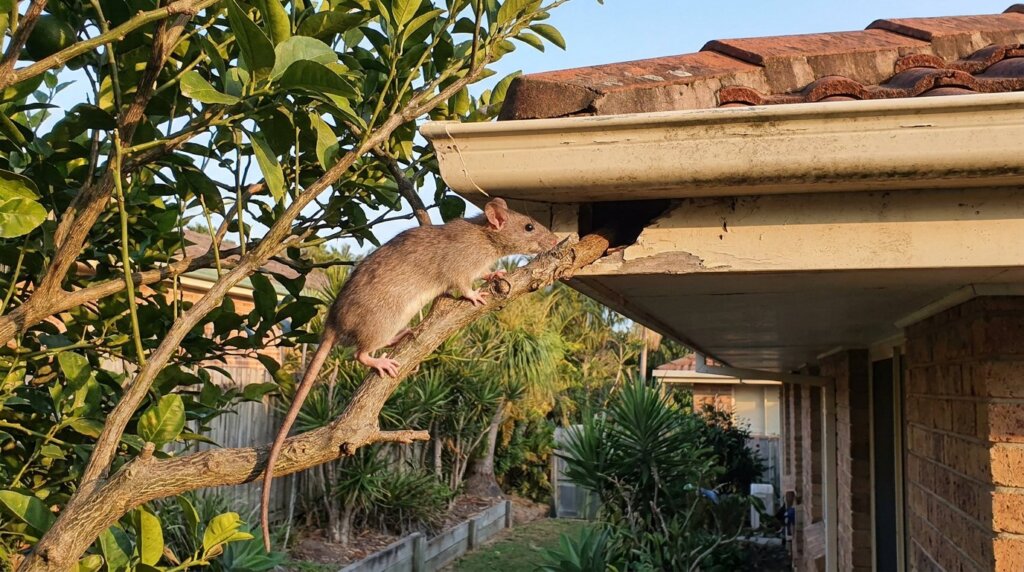
Roof rats, also known as black rats, have a head-and-body length of 165-205 mm and a tail measuring 185-245 mm. Their long tails and climbing ability help them move along beams, pipes and elevated routes. These features can help you distinguish a roof rat from a mouse, though signs such as gnawing and nesting material also provide clues. Shredded insulation or fabric may indicate nesting nearby.
Roof Rat Droppings
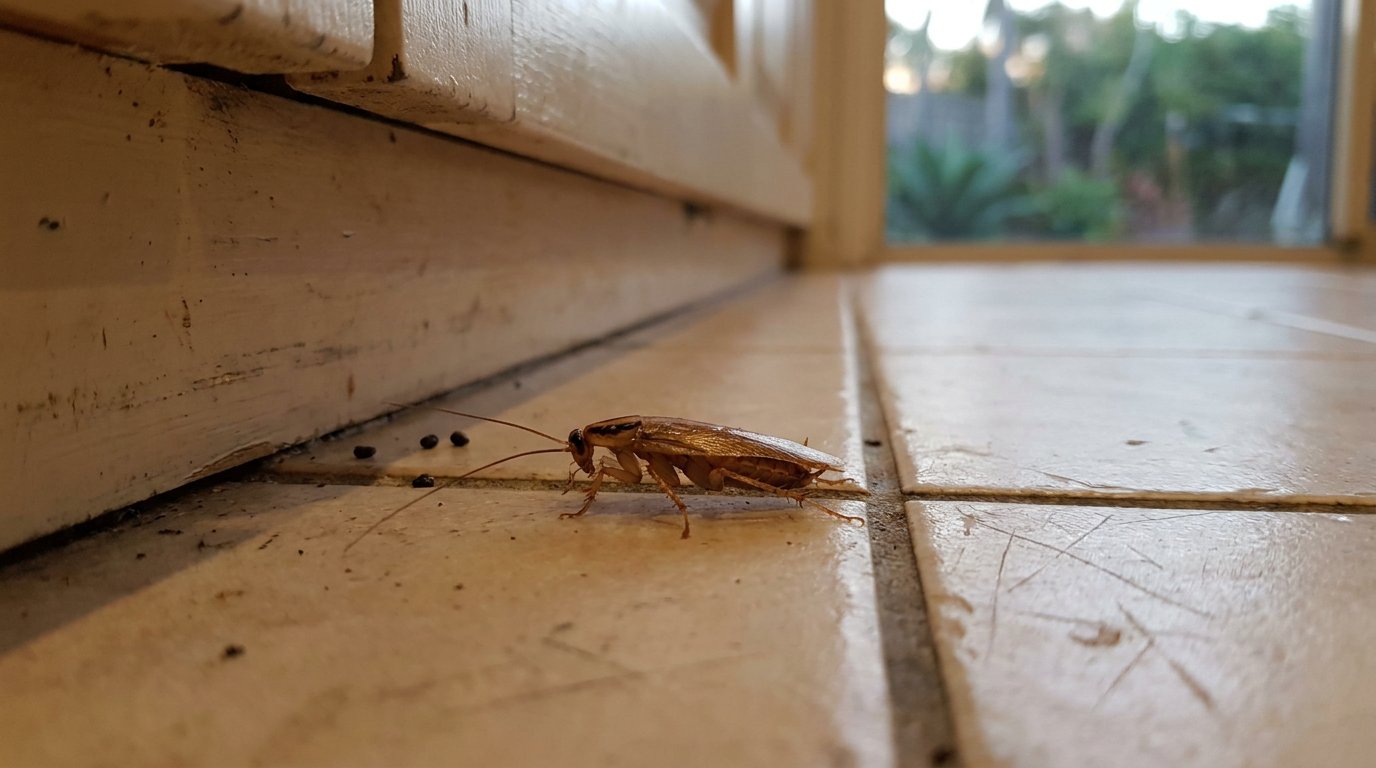
Roof rat droppings are about 12 mm long. You may find them gathered near food sources or along routes beside beams, pipes and walls. Their location can help show where rats are travelling, not just where they have fed. Droppings alone don’t confirm the species, so consider their position alongside other signs, such as scratching noises or greasy marks on a surface.
If you rent, report signs of rats to your landlord or property manager and describe where you noticed them. This gives them useful details when arranging a response, without assuming who is responsible for the infestation.
Scratching or scurrying overhead, particularly at night, can indicate movement in the roof. Droppings, gnaw marks and dark, greasy marks along beams or pipes offer further clues to regular routes. Note where and when you find signs so you can describe the activity clearly.
Effective control starts with understanding the activity and possible access points. Don’t enter an unstable roof cavity or apply a chemical product without following its directions. The right response depends on where rats are travelling and what signs are present.
Why are roof rats considered a pest?
Roof rats can damage building materials, contaminate stored items and nest in sheltered spaces. Their nesting sites, gnawing and repeated travel routes show why the problem can extend beyond the roof cavity.
Warm, sheltered spaces such as roof voids, wall cavities and areas under eaves can provide nesting places. Rats may gather shredded paper, insulation and fabric to make nests. Cardboard stacked near a roof access point offers cover and material to chew, while dense vegetation beside a building can provide a sheltered route towards an entry point.
Rats can enter through openings around vents, cracks and holes. Check roof edges, eaves and service openings for possible access routes. A gap near a pipe or damaged vent may connect the outside to a sheltered cavity. Entry points differ between homes, depending on roof design and the condition of external fittings.
Droppings often collect near food sources or along regular travel routes. A cluster beside stored food or on a beam leading towards a nest can indicate where rats feed and move. Rats may also gnaw timber, wiring, PVC pipes and stored belongings, sometimes causing damage out of sight in the roof cavity.
In Australian homes, the choice of bait or trap depends on the roof cavity, where rats are active and what else can reach the device. No single method suits every infestation. Consider whether the rats’ routes and access to food make a particular method appropriate.
To reduce the chance of rats returning, remove garden produce, pet food, bird feed and chicken feed from accessible areas. Cover cooked food and store it securely, clean regularly, maintain the yard and clear gutters. These steps reduce food and nesting material near possible roof entry points.
If signs persist after you’ve reduced food and shelter, arrange professional rodent pest control to assess the activity and suitable control methods.
What is the biology and lifecycle of a roof rat?
Roof rats can reproduce from 3-4 months of age, so a small roof-space population can grow. A female may have up to 6 litters per year, with 5-10 young in each litter. Pregnancy lasts 21-22 days, and young may be weaned at 20 days old. In the wild, roof rats may live up to a year.
This life cycle matters because activity can continue while nests remain sheltered and entry routes stay open. Look for signs in roof cavities and nearby areas, then consider both access and food sources. Bait stations may be used as part of rodent control, but placement and product directions matter around children, pets and stored food.
Rats can contaminate food, food-preparation surfaces and stored items with waste or urine. Keep food sealed and carefully clean affected surfaces before using them again. Avoid touching droppings or nesting material with bare hands. Contaminated objects can carry germs, so wash your hands after cleaning and keep pets away from affected areas.
Rat waste and urine can transmit Salmonella and Leptospirosis. Germs may spread through contact with contaminated surfaces, droppings or urine, making signs near a pantry, kitchen bench or pet-feeding area particularly concerning. Keep children and animals away from contaminated spaces until they have been cleaned.
Roof rats also gnaw constantly, potentially damaging timber, insulation, stored belongings and electrical wiring. Chewed wires can cause short circuits, sparking or electrical fires. Damaged PVC pipes and air-conditioning ducts can create further repair concerns. If you find chewed wiring, don’t handle it; arrange a qualified electrical assessment. Addressing access and nesting activity helps limit further damage.

What attracts rats to roof spaces
Roof rats are agile climbers, and a tree branch or vine touching the roof can provide access. Once inside, a quiet roof cavity offers shelter away from household activity. Their presence often reflects a combination of accessible food, water, nesting material and a route into the building, rather than one single attractant.
Food around the home can draw rats close before they enter. Fallen fruit, garden produce, pet food, bird feed and chicken feed are all potential food sources. Open rubbish and uncovered leftovers can attract them too, as can accessible water such as a dripping tap. Removing these resources makes the yard less appealing.
Nearby vegetation and roof clutter can give rats cover as they travel. Overhanging branches, dense growth and leaves accumulated near gutters create sheltered routes and provide nesting material. Regular gutter cleaning and yard maintenance can reduce these opportunities. Store items neatly and remove loose paper or fabric from roof access areas where rats could gather nesting material.
For rats already in a roof space, the right bait or trap depends on access, signs of activity and risks to children, pets and other animals. Follow the product label and place devices where people and pets cannot reach them. A trap or bait alone may not eliminate an infestation if rats can still enter or find food nearby.
Practical prevention combines several steps: remove accessible food, reduce shelter around the roof and address entry points. Check whether branches provide a route onto the roof, gutters collect leaves or food is left outdoors overnight. These measures target the conditions attracting rats, not just the animals already inside.
If signs persist after you’ve reduced food and shelter, arrange professional rodent pest control to assess the activity and suitable control methods.
Port Pest Services
Port Pest Services provides pest control for rats in roofs and homes. If you still hear movement or find droppings after reducing accessible food and shelter, Rat Pest Control can help address the activity. The response depends on where rats are travelling and what is attracting them, so describe the signs you have noticed.
When you contact Port Pest Services, mention details such as scratching at night, gnaw marks near stored items or droppings around food areas. These clues help clarify the problem and the pest control needed. Port Pest Services also provides Mice Pest Control, Rodent Pest Control and other pest services for household infestations.
Contact Port Pest Services to discuss rat activity in your home.
Take the next step towards a quieter roof
If rats are in the roof, dealing with the immediate activity is only part of the solution. Consider how to manage the home’s access points and nearby food sources alongside pest control. This practical approach reduces conditions that could draw rodents back, rather than focusing on one sign alone.
Port Pest Services provides Rat Pest Control, Mice Pest Control and Rodent Pest Control for household pest concerns. If signs of rodent activity continue or you’re unsure what to do next, describe what you’ve noticed, such as noises, droppings or damage. That gives the conversation a useful starting point.
Contact Port Pest Services for help and take a clear, practical next step towards a more comfortable home.
Frequently Asked Questions
Where are roof rats commonly found?
Roof rats commonly shelter in elevated, protected parts of homes, including roof cavities, wall spaces and areas beneath eaves. In Port Macquarie, nearby trees and dense garden growth can provide routes towards a building. Rats may also shelter in sheds or other protected structures where food and nesting materials are accessible. Their location depends on the shelter and access available.
What questions will this article answer?
This article explains where roof rats live, how to recognise their activity and what can attract them to a home. It also covers how they access roof cavities, why they can damage property and the health concerns linked with contamination. Understanding these signs can help you decide what to do next when you notice activity around your home.
How can you tell if rats are living in the roof?
Repeated scratching or scurrying above a ceiling, especially at night, can suggest activity in the roof space. You might also find droppings or gnaw marks near roof access areas. Patterns are useful: signs along the same beam, pipe or storage area can indicate regular movement. Daytime sightings may mean rats are searching more widely for food or water.
How do rats get into roofs and roof cavities?
Rats can climb from nearby vegetation and enter through openings around vents, roof edges, service pipes or damaged building materials. A branch touching the roof can provide a route from a tree. Check where pipes or cables pass through external walls, as gaps around fittings can connect outside areas with enclosed roof spaces. Sealing access points helps limit repeat entry.
What are the health, electrical and fire risks of rats in roof cavities?
Rat waste and urine can contaminate food, food-preparation surfaces and stored items, and may transmit Salmonella or Leptospirosis. Gnawing can damage electrical wiring, potentially causing short circuits, sparking or electrical fires. If you find chewed wiring, don’t touch it. Keep people and pets away and arrange a qualified electrical assessment before using affected fittings.
What is the best rat bait or trap for roof spaces in Australia?
No single bait or trap suits every infestation. Choose a method based on the roof cavity, rat activity and access, and risks to children, pets and other animals. Follow the product label, and address entry points and nearby food sources too.