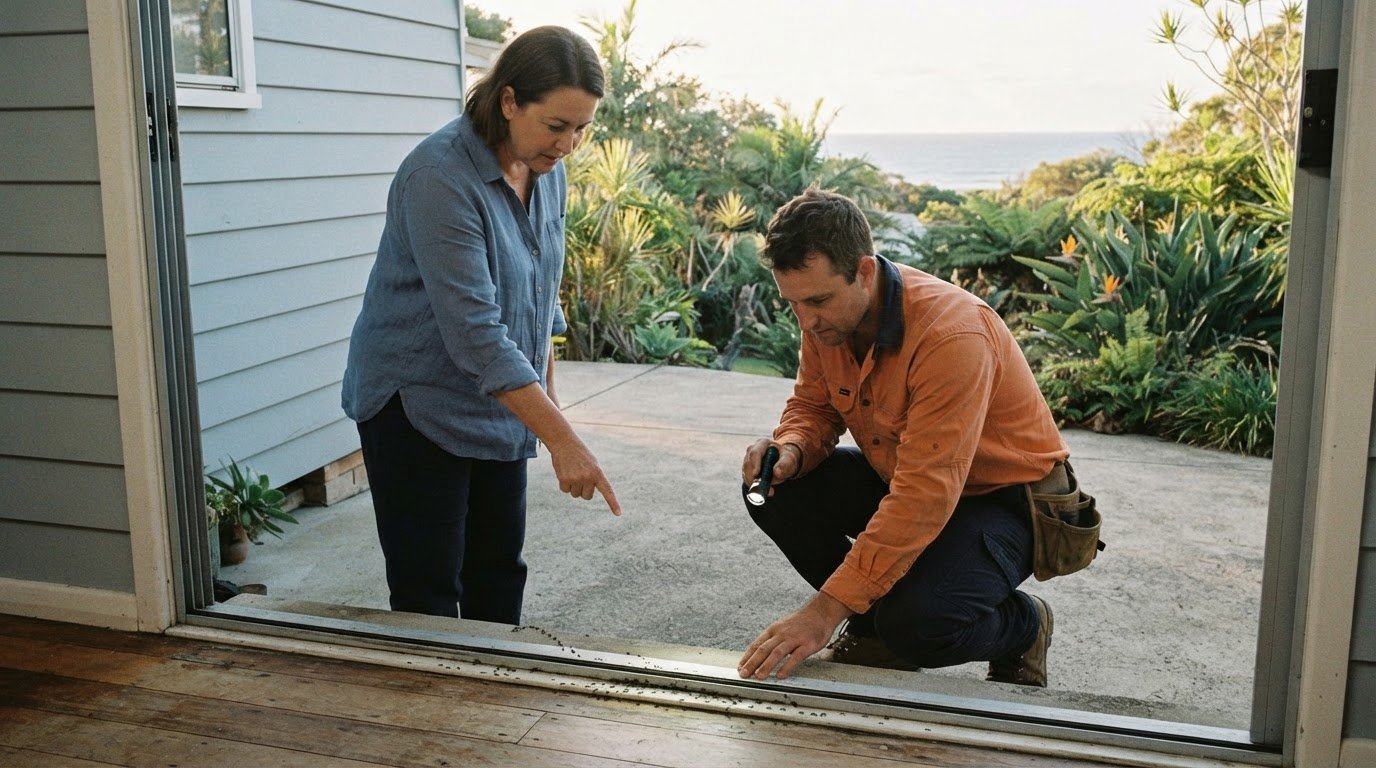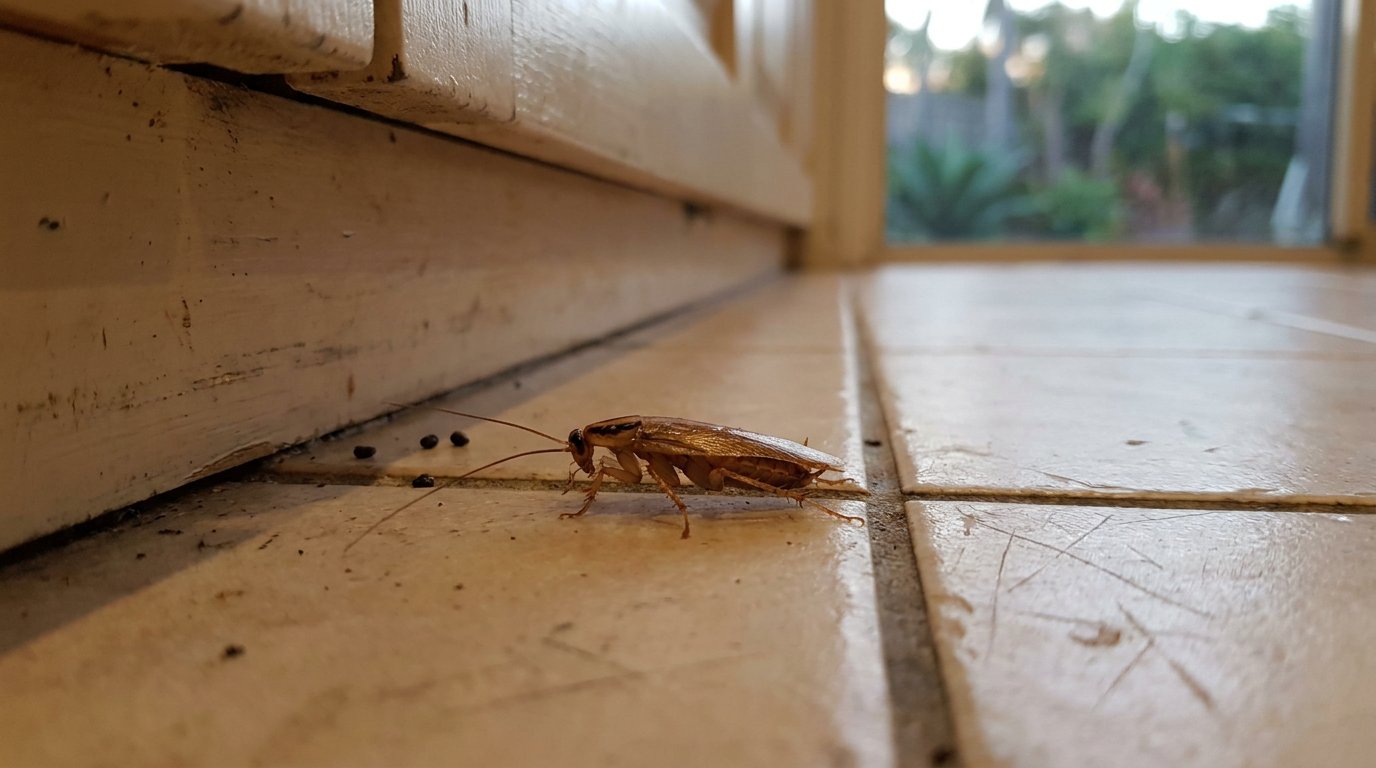
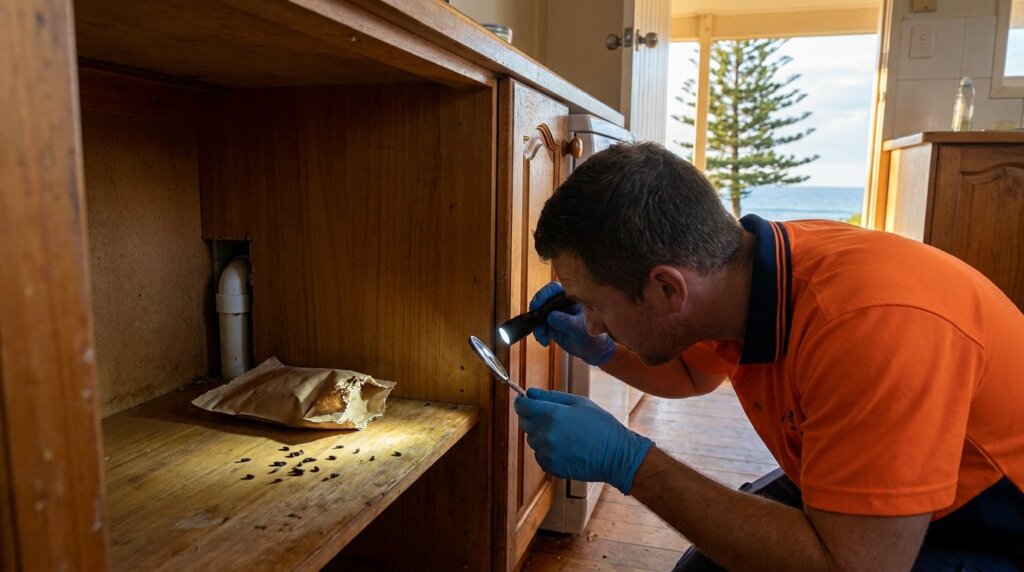
Rodents can contaminate food and household surfaces, so signs of mice are worth taking seriously. Mouse pest control in Port Macquarie starts with an inspection to identify activity and access points, followed by treatment suited to the property and follow-up monitoring. Droppings, gnawed food packaging, scratching sounds and a musky smell can all point to a rodent problem, and mice can squeeze through surprisingly small gaps. It’s understandable to want a clear answer about the risk and what happens next. This guide explains what an inspection looks for, how mouse and rodent treatments are tailored, and why monitoring matters after treatment. You’ll also find practical steps that can help make your home less appealing to rodents, such as keeping pet food stored securely and bringing it inside at night. The aim is a straightforward picture of the process, so you know what to expect when you’re dealing with mouse activity around your home in Port Macquarie or the Hastings.
Key Takeaways
- A thorough inspection helps identify the rodent involved, where it is active and how it may be getting inside.
- Treatment works best when it’s matched to the pest’s behaviour and the conditions around your property.
- Follow-up monitoring helps assess activity after treatment and guide practical prevention steps.
- Learn what to expect from local mice, rat and rodent pest control across Port Macquarie and the Hastings.
Pest inspection and tailored treatment plans
An inspection identifies the pest, signs of activity and likely access points before treatment begins. In Port Macquarie, these findings help shape a plan for the property and the problem.
Inspection-first treatment approach
A useful inspection looks beyond a single sign. It considers where evidence appears, such as droppings in a pantry or gnaw marks near stored food, and checks nearby areas for possible entry points. This helps show whether activity may be isolated or part of a wider pattern. The findings guide the treatment approach, rather than applying the same method to every property.
Rodent control planning
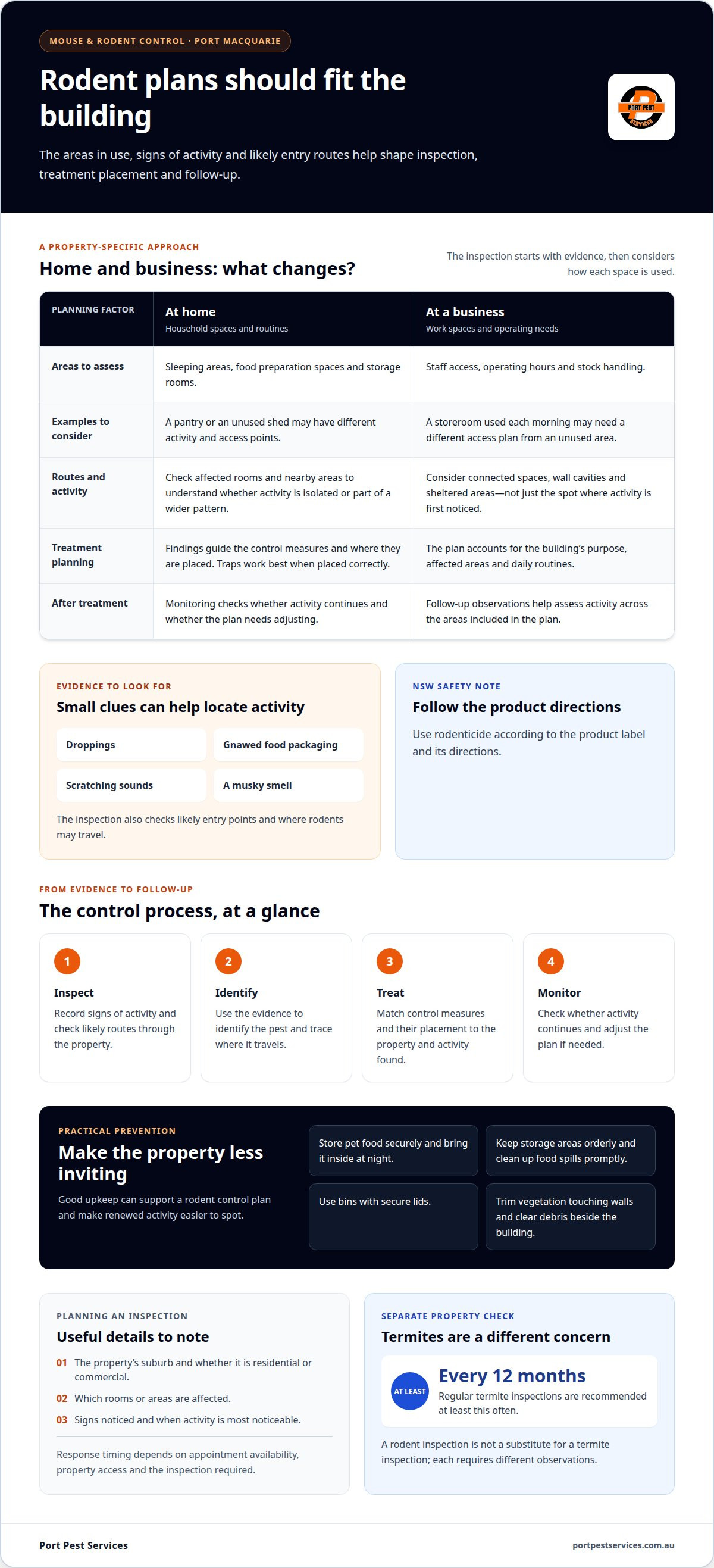
Rodent control planning starts by identifying the pest and tracing where it travels. Droppings, gnawed packaging, scratching sounds and a musky smell can help locate activity. Identifying the species helps shape a plan around its behaviour. The plan also considers food sources and access: pet food left outside overnight, for example, can attract rodents. These details help determine where control measures should go and which conditions may need attention.
Inspection and treatment process
The process moves from inspection to a treatment plan, followed by treatment and monitoring. First, the inspection records signs of activity and checks likely routes through the home. The findings then guide the choice and placement of control measures. Traps are most effective when placed correctly, so location matters. After treatment, monitoring can show whether activity continues and whether the plan needs adjusting. Recording observations at each step connects the treatment to evidence found at the property.
Termite prevention and inspections
Termite inspections address a separate property concern from mouse control. Regular termite inspections are recommended at least every 12 months. An inspection can help identify signs that warrant attention, while keeping the recommendation distinct from a rodent treatment plan. For homeowners, recording when the last inspection took place makes it easier to keep up with this yearly check. Rodent activity and termite risk require different observations, so one inspection should not be treated as a substitute for the other.
Mouse and rodent control in Port Macquarie
Rodent control planning should account for how the building is used and where activity occurs. In NSW, use rodenticide according to the product label and its directions.
Residential and commercial rodent control
At home, activity may affect sleeping areas, food preparation spaces or storage rooms. A business may need a plan that accounts for staff access, operating hours and stock handling. These details help identify areas needing attention and fit treatment around daily routines. For example, a storeroom used each morning may need a different access plan from an unused shed.
Rodent entry points and nesting areas
Activity in several rooms can help show how rodents move through a building. A pest professional can assess connected spaces, wall cavities and sheltered areas where rats may nest when considering likely routes. The location of disturbed materials or repeated activity may help distinguish a travel path from a nesting area. This broader view helps avoid treating one visible spot while overlooking connected parts of the property.
Proofing against rodent entry
Good property upkeep can support a rodent control plan. Keep storage areas orderly, clean up food spills promptly and use bins with secure lids. Outdoors, trim vegetation touching walls and clear debris beside the building. These steps reduce shelter and make renewed activity easier to spot. They also keep the property clear for later checks.
Mouse control response times
In Port Macquarie, response timing depends on appointment availability, access to the property and the inspection required. Describe which rooms are affected and when activity is most noticeable, so the visit can be planned around the issue. For mouse pest control in Port Macquarie, a local rodent control service can assess the affected areas and discuss practical next steps.
Pest control services in Port Macquarie and the Hastings
Local coverage matters when you need an inspection and treatment at home. In Port Macquarie and the Hastings, service areas focus directly on the local community and surrounding suburbs.
Port Pest Services provides mouse pest control Port Macquarie homeowners and businesses rely on. The service starts with a thorough inspection, then plans treatment around the property and the signs found.
Service areas around Port Macquarie
Port Macquarie is the primary hub for pest services across the Hastings region. Coverage centers firmly on Port Macquarie and its immediate local suburbs. This regional focus includes homes with different layouts, storage areas and access points. When arranging an inspection, give the property’s suburb and describe where you have noticed activity. Those details help establish whether the address sits within the service area and what the visit needs to cover.
Local coverage matters for businesses too. A home, shop or storage space can show different patterns of rodent activity. A pantry and a stockroom, for example, have different food sources and access routes. A useful service plan accounts for the building’s purpose, affected areas and signs of pest activity. Treatment should respond to those findings, rather than assume every property has the same conditions.
Local service coverage
When arranging mouse control in the Port Macquarie area, provide the suburb, say whether the site is residential or commercial, and describe the rooms or areas affected. Mention signs such as droppings, damaged packaging or scratching sounds. This gives the pest professional a clearer picture before the inspection and helps distinguish a concern in one room from activity in several parts of the building.
Local knowledge is useful because treatment planning depends on the property itself. A home near food storage, for instance, needs attention to those areas and possible rodent routes. For a business, access to stock and waste areas may be relevant. Describe the issue plainly and note where you first saw evidence. The inspection can then focus on the affected locations and the conditions that may be supporting activity.
Treatment follow-up and monitoring
Monitoring helps assess pest activity after treatment and guide next steps. Keep track of fresh signs, such as new droppings or gnaw marks.
Reviews can indicate how clearly a provider communicates. Look for practical details about treatment and follow-up, and distinguish monitoring from a guarantee: they serve different purposes.
Recommended treatment frequency
For most homes in Port Macquarie, general pest control is recommended once a year. The right schedule depends on the treatment and the pest being managed. A mouse issue may need monitoring based on activity after treatment, rather than relying on a general annual service alone. Keep a record of treatment dates and any new signs, such as fresh droppings near food storage.
Treatment duration
Most general pest control treatments in Port Macquarie last up to 12 months. That timeframe is not a measure of how long every rodent treatment takes or remains effective. The treatment method, placement and signs of continued activity all matter. Monitoring helps show whether the original plan is addressing the problem, or whether further action is needed.
Reviews, guarantees and follow-up visits
When reading reviews, look for whether the service explains treatment steps and follow-up clearly. If a guarantee is offered, assess its written scope, conditions and limits. A follow-up visit has a separate purpose: checking for continued activity and informing the next pest management step. These details help you understand the service approach.
For a family- and pet-conscious plan, treatment placement and access need careful attention. Keep any rodent bait out of reach of children and pets. Follow the treatment instructions provided for your home, and mention areas needing particular care, such as a pet’s feeding space.
Arrange mouse pest control if activity continues after treatment or returns during monitoring.
Port Pest Services
Port Pest Services helps with signs of mice, rats and other rodent activity at home. Its pest control work begins by understanding the issue and matching treatment to the property, rather than relying on a quick fix. The team also treats ants, so you can raise other pest concerns affecting your home.
Locally owned and based in Port Macquarie, the business services homes and businesses between Forster and Kempsey. Its team is fully licensed and insured, with ongoing industry training to support practical pest management. If you’re seeing fresh signs of rodent activity or want advice on next steps, contact Port Pest Services to discuss your property.
Choose a practical next step for your home
Ongoing mouse activity can disrupt your routines and make it harder to feel settled at home. A useful next step is to describe the issue plainly, including what has changed since you first noticed it. That gives the pest professional context for discussing a suitable approach with you, without assuming every property needs the same treatment.
For mouse pest control in Port Macquarie, Port Pest Services offers Mice Pest Control, Rat Pest Control and Rodent Pest Control. The team’s ongoing industry training supports its practical approach to pest management. If ants are another concern around your property, Ant Pest Control is also available.
Share what you’ve noticed and discuss a suitable way forward with the local team. Contact Port Pest Services today to take the next step towards a more comfortable home.
Frequently Asked Questions
Are rats and mice dangerous to my health?
Rats and mice can contaminate food and household surfaces with bacteria, viruses and parasites. Rodents are also linked to illnesses including salmonella, leptospirosis, hantavirus and rat-bite fever. Avoid handling droppings or contaminated materials with bare hands, and keep food preparation areas clean. If you find signs near stored food, discard affected items and clean the area carefully.
Can pest control get rid of rats and mice?
Professional pest control can target rodent activity with treatment chosen for the pest and property. The approach may include correctly placed traps or other suitable control measures, alongside steps to reduce access to food and shelter. Effective planning considers whether activity is indoors, outdoors or in a roof space. Continued signs after treatment help inform a review of the control plan.
How long does a pest control treatment last?
Most general pest control treatments in Port Macquarie last up to 12 months, but that period doesn’t describe every rodent treatment. Ask what the treatment is intended to address and what signs to watch for afterwards. A return of activity can reflect ongoing access or food sources, so the relevant next step depends on what monitoring shows at your property.
Is pest control safe for my family and pets?
Family and pet safety depends on the treatment used, where it is placed and the instructions for your home. Tell the pest professional about children, pets and areas they regularly use, such as a dog’s feeding spot. If bait is used, keep it out of reach of children and pets. Follow the product instructions and any directions given for treated areas.
Is professional pest control worth it?
Professional pest control can help when activity returns, appears in hard-to-reach places or affects several areas of your home. A pest manager can assess the pattern and plan treatment around the property, rather than relying on a trap in one spot. In Port Macquarie, this can help households address persistent rodent activity.
What are the signs of a rodent infestation?
Common signs include droppings, gnawed food packaging, scratching sounds and a musky smell. The location can suggest where to look next: sounds above a bedroom may point to activity in a ceiling space, while damaged food packaging suggests checking nearby storage. Note where and when you notice signs, as this can help a pest professional assess the pattern.