Understanding Termite Barriers and Why They Matter
Termites are one of the most destructive pests found in Australian homes. In Port Macquarie, the warm climate and coastal moisture create ideal conditions for termite activity. These insects live in underground colonies and can quietly attack timber structures for months or even years before they are noticed.
Many homeowners only realise they have a problem when damage becomes visible. By that stage, termites may already have caused serious structural issues. This is why preventative protection is so important for properties in termite-prone areas like Port Macquarie.
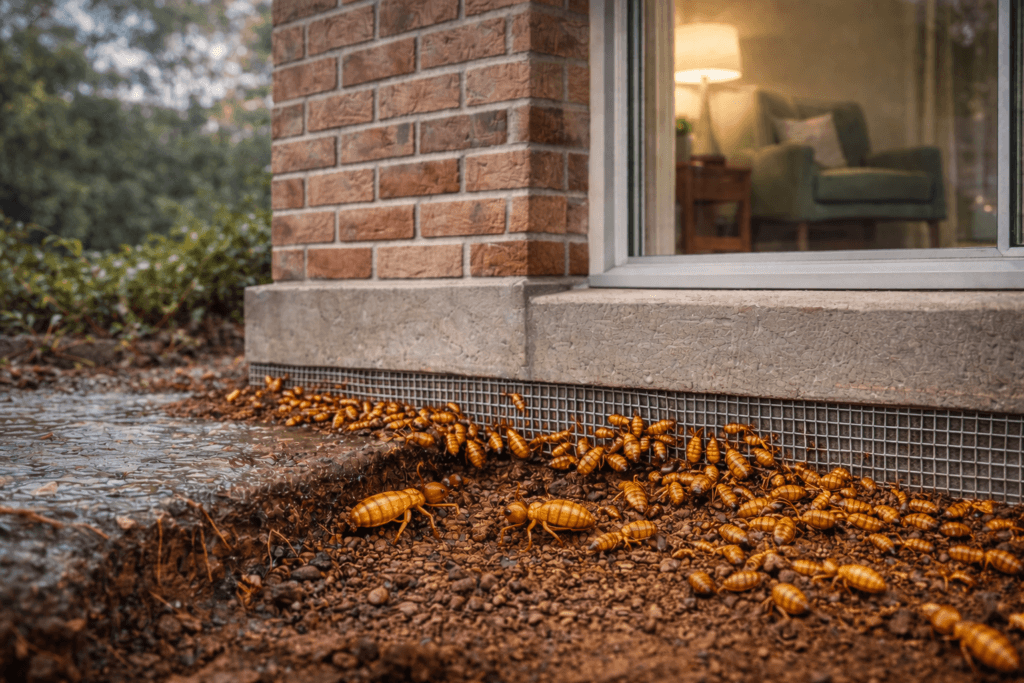
Termite barriers are designed to help stop termites entering a building from the soil. They create a protective zone around the property that interrupts termite movement. This makes it much harder for termites to reach timber structures without being detected.
A barrier does not remove termites from the environment. Termites are a natural part of the ecosystem and are always present in soil and vegetation. Instead, the barrier works by forcing termites into areas where activity becomes visible during a termite inspection in Port Macquarie.
What Is a Termite Barrier?
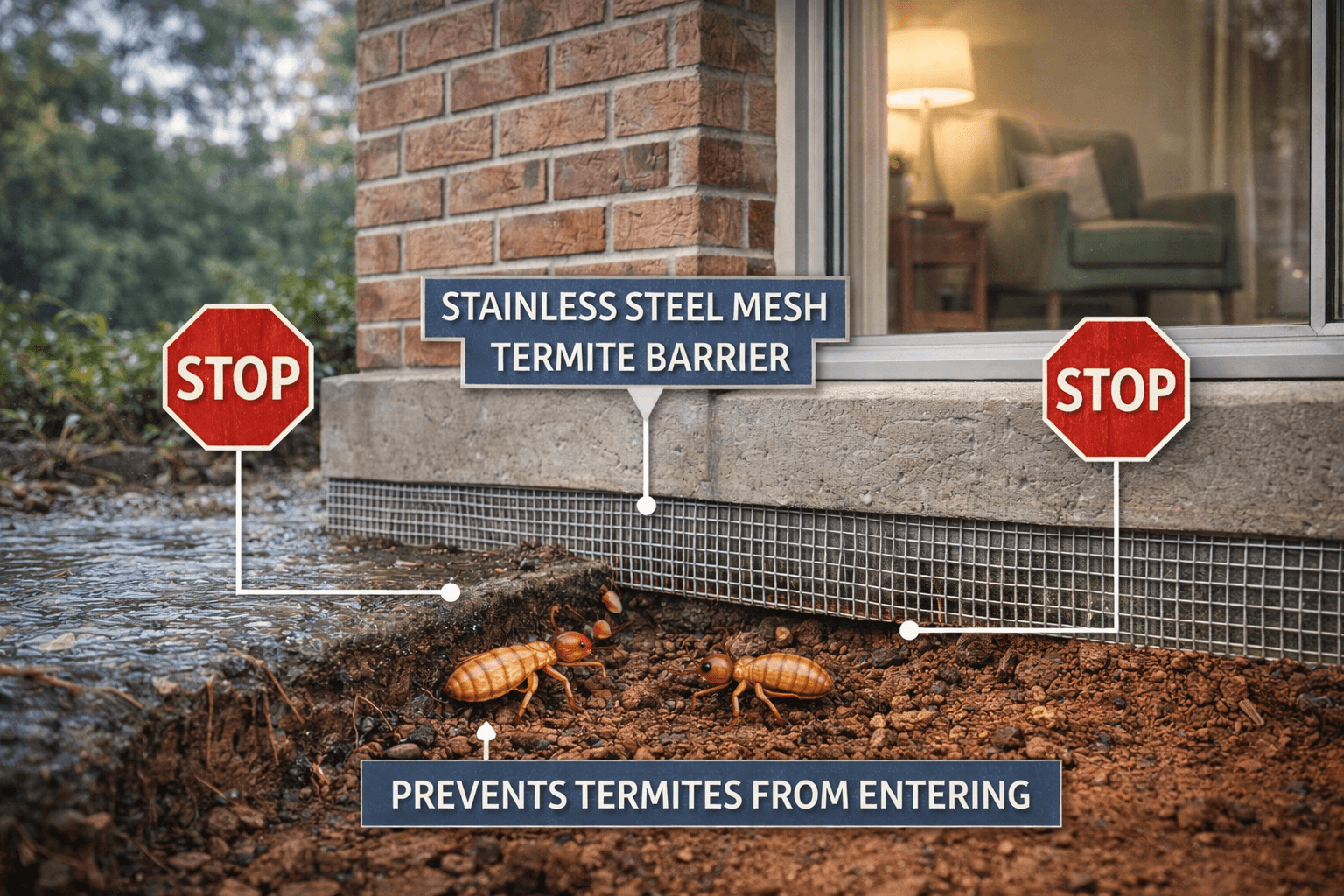
A termite barrier is a system installed around a building to help prevent termites from entering from the ground. These systems are designed to interrupt the hidden pathways termites use when travelling from the soil into structures.
Termites move through mud tunnels and underground galleries to protect themselves from light and air. A properly installed barrier breaks this hidden route. It either repels termites from entering the structure or exposes their activity so it can be detected early.
Barriers are usually installed around the external perimeter of the building. They can also be applied near pipes, foundations, and other areas where termites commonly gain access. The goal is to protect the most vulnerable entry points.
Regular monitoring is still important after installation. Over time, soil movement, landscaping changes, or building modifications can affect the barrier zone. This is why ongoing termite control in Port Macquarie services are recommended.
Why Are Termite Barriers Important in Port Macquarie?
Port Macquarie has environmental conditions that support termite populations year-round. Warm temperatures, coastal humidity, and timber structures provide ideal conditions for termite colonies to grow.
Subterranean termites are especially common in this region. These termites build large colonies underground and travel long distances in search of food. Timber houses, fences, decks, and landscaping timbers all attract termite activity.
Because termites work quietly inside walls and subfloors, infestations often go unnoticed. A termite barrier helps reduce this risk by creating a protective treated zone around the structure.
This protective zone makes it harder for termites to enter undetected. It also helps guide termite movement into visible areas where activity can be discovered during termite treatment in Port Macquarie services.
What Types of Termite Barriers Are Used?
There are two main types of termite barriers used in Australia: chemical barriers and physical barriers. Both systems aim to prevent hidden termite entry.
Chemical termite barriers are the most common solution for existing homes. A professional termiticide is applied into the soil around the property. This creates a treated zone that affects termites when they travel through it.
Modern termiticides are designed to work slowly. This allows termites to carry the treatment back into the colony. Over time, this helps reduce termite populations around the structure.
Physical termite barriers are often installed during construction. These systems include stainless steel mesh, graded stone layers, or specialised barrier materials. They prevent termites from passing through hidden entry points beneath the building.
Physical barriers do not rely on chemicals. Instead, they force termites into exposed areas where their activity becomes visible. This improves detection during routine inspections.
Can Termite Barriers Be Installed Around Existing Homes?
Yes. Many homes can have termite barriers installed after construction. This is often called a retrofit termite barrier.
The process normally involves trenching or drilling around the perimeter of the building. This allows a treatment zone to be applied into the soil surrounding the foundation.
The method used depends on the structure of the property. Concrete slabs, garden beds, paving, and drainage systems all influence how the barrier is installed.
A professional inspection is always recommended before installation. This helps identify termite risk areas and ensures the barrier is placed correctly for maximum protection.
For properties that already have termite activity, treatment may be required before the barrier is installed. This ensures the colony is controlled before long-term protection is put in place.
Are Termite Barriers Enough to Stop Termites?
Termite barriers are highly effective, but they are not a complete guarantee against termites. Termites are persistent insects that constantly search for new food sources.
Over time, changes to soil levels, landscaping, or building structures may create new entry points. This is why regular inspections are still essential even when a barrier is present.
Australian Standards recommend that properties in termite-prone areas receive professional inspections at least once every 12 months. This allows early detection of termite activity before major damage occurs.
Routine termite inspections in Port Macquarie help confirm that the barrier system is still working correctly. They also allow technicians to identify conditions that may attract termites.
How Can You Protect Your Property Long-Term?
Effective termite protection involves several layers of defence. A termite barrier provides the first line of protection around the structure.
Regular inspections form the second layer. These inspections help detect early termite activity before it spreads through the building.
Property maintenance also plays an important role. Reducing timber contact with soil, fixing drainage issues, and controlling moisture can significantly lower termite risk.
Landscaping choices can also influence termite activity. Stacked timber, untreated sleepers, and garden mulch close to the building can attract termites.
When these prevention steps are combined with professional termite control in Port Macquarie, the risk of termite damage is greatly reduced.
If you need advice about termite barriers, termite inspections, or termite protection, contact Port Pest Services. We provide professional termite inspections, termite control, and termite protection solutions across Port Macquarie and surrounding areas between Forster and Kempsey.
Frequently Asked Questions About Termite Barriers
Do termite barriers stop termites completely?
Termite barriers significantly reduce the risk of termites entering a building. However, they do not eliminate termites from the surrounding environment. This is why regular termite inspection Port Macquarie services are still recommended.
How long does a termite barrier last?
The lifespan of a termite barrier depends on the type used and the soil conditions around the property. Many professional barriers are designed to provide protection for several years when installed correctly.
Are termite barriers required for homes in Port Macquarie?
Termite protection is strongly recommended in areas with high termite activity. Because Port Macquarie has ideal termite conditions, many homeowners choose barriers as part of their long-term termite control Port Macquarie strategy.