Termites don’t choose homes at random. They find them.
Foraging termite workers travel through the soil in search of cellulose — the organic compound found in timber, cardboard, and plant matter. When they encounter conditions that signal a good food source, they move in. The properties that get hit hardest are almost always the ones that have — usually unknowingly — made themselves easy targets.
In Port Macquarie, where termite colonies can forage year-round thanks to the mild climate, understanding what attracts them is one of the most practical things a homeowner can do. Some of the most common attractants are surprisingly easy to address. Others are less obvious — and those are the ones this guide focuses on.
Why Port Macquarie Properties Face Specific Attractant Challenges
Before getting into the individual attractants, it’s worth understanding why they’re particularly relevant here.
Port Macquarie sits in a subtropical-influenced coastal zone with high annual rainfall, consistently elevated humidity, and warm temperatures that persist well into autumn and winter. These conditions amplify almost every termite attractant on this list.
Moisture issues that might be minor irritants in a drier climate become significant termite risk factors here. Garden beds that would be borderline risky in Sydney become genuinely problematic in Port Macquarie’s damp, warm environment. The same organic debris that would dry out quickly in a hotter inland climate stays moist and inviting for far longer on the mid-north coast.
The Hastings Valley’s abundant native vegetation also means there’s a substantial natural termite population with established colonies close to residential areas. The question for any Port Macquarie homeowner isn’t really whether termites are nearby — it’s whether your property is giving them a reason to move in.
The 8 Most Common Termite Attractants Around Your Home
1. Moisture and Poor Drainage
Moisture is the single most significant termite attractant — and it operates on multiple levels.
Subterranean termites need moisture to survive. They actively seek it out. Any consistent source of moisture near or beneath your home creates ideal conditions for colony establishment and foraging activity.
In Port Macquarie, the most common moisture problems that attract termites include:
- Gutters and downpipes that discharge water too close to the building’s foundation
- Blocked or slow draining stormwater that pools against the house perimeter
- Leaking irrigation systems with moisture seeping toward the subfloor
- Condensation from air conditioning units draining near the building
- High subfloor moisture levels caused by poor cross-ventilation or ground cover
The fix starts with a slow walk around your property after rain. Watch where water flows and where it pools. Any consistent moisture accumulation within a few metres of your house is a risk factor worth addressing.
2. Timber-to-Soil Contact
Direct contact between timber and soil is one of the most reliable ways to invite subterranean termites into your home’s structure. It removes the barrier between their underground environment and your building’s timber elements — giving them direct, concealed access.
Common examples in Port Macquarie properties include:
- Timber fence posts set directly into the ground
- Garden sleepers or retaining walls in contact with soil close to the house
- Timber steps or decking with post bases touching the ground
- Formwork timber left in place after construction
- Old stumps with roots extending beneath the building
Where possible, any timber element that contacts soil within or adjacent to the building zone should be replaced with termite-resistant or non-timber alternatives, or physically separated from the soil with appropriate barriers.
3. Garden Mulch Against the House
Mulch is one of the most commonly overlooked termite attractants in Port Macquarie gardens — and one of the most widespread. It’s organic, it retains moisture, and it’s almost always placed right against the building’s perimeter.
Thick mulch layers against the house wall create a warm, moist, food-rich environment that termite workers will actively seek out. Once foraging activity begins in the mulch, the transition to your home’s structural timber is a short one.
This doesn’t mean you need to remove all garden mulch — it means you need to keep it away from the building itself. A clear gap of at least 150–200mm between any mulch or garden bed and the exterior wall of your home significantly reduces this risk. Keep mulch layers no deeper than 75mm, and avoid using wood chip or bark mulch in the immediate garden beds around the house perimeter.
4. Stored Timber and Firewood
A stack of firewood against the side of the house is one of the most direct invitations you can extend to a termite colony. Stored timber — whether it’s firewood, leftover building materials, old furniture, or unused sleepers — is a food source that brings foraging termites directly to your property.
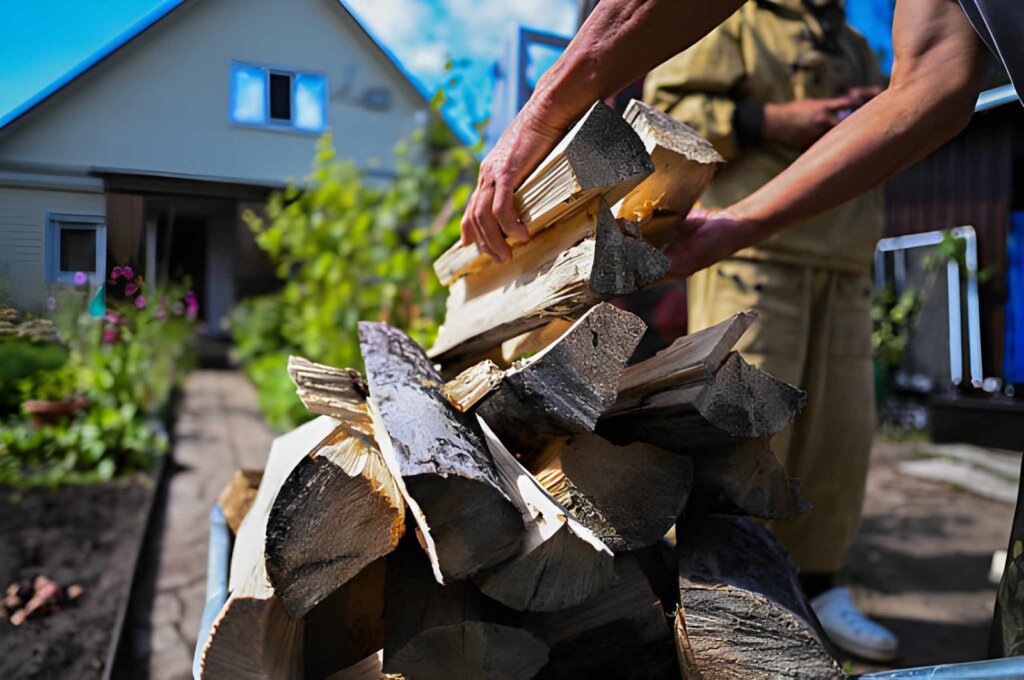
Once established in stored timber, a colony has a short path to your home’s structure. In Port Macquarie’s climate, where outdoor timber stays moist enough to be attractive for much of the year, this risk is consistently underestimated by homeowners.
Practical steps: store firewood off the ground on a metal rack, away from the building — ideally at least three to four metres from any structure. Use stored timber within a reasonable time frame rather than letting it sit indefinitely. And never store timber under the house or against exterior walls.
5. Tree Stumps and Dead Root Systems
A tree stump left in the ground after removal is essentially a buried termite cafeteria — and the root system extends it far beyond the visible stump itself. Colonies established in stumps can be large, active, and well-positioned to move into adjacent structures.
This is particularly relevant in Port Macquarie, where many established residential properties have mature native trees and gardens. Dead roots from removed trees can remain in the soil for years, providing ongoing food and harbourage for termite activity well after the stump itself has been ground down or removed.
If you’ve had trees removed from your property — especially large natives close to the house — professional stump grinding and root removal is worth the investment. It eliminates a persistent food source that can sustain termite activity for years.
6. Leaf Litter and Organic Debris
Accumulated leaf litter, bark, and organic debris against or near your home creates the same conditions as mulch — moisture retention, organic food material, and a sheltered environment for foraging termites.
This is an issue that sneaks up on Port Macquarie homeowners, particularly on properties with large native trees. During autumn and through winter, leaf litter accumulates quickly and often goes uncleared for extended periods.
Regular clearing of leaf litter, particularly along the building perimeter, fence lines, and under decking, is a simple but genuinely effective preventive measure. Pay particular attention to corners and areas where debris tends to collect between garden beds and walls.
7. Poor Subfloor Ventilation
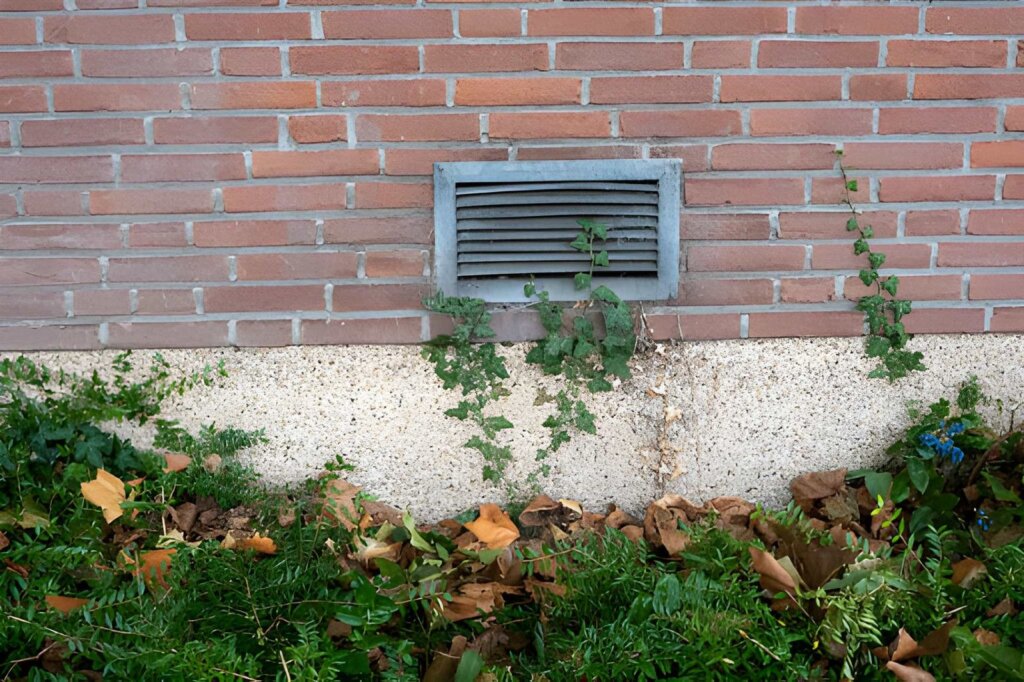
The subfloor space beneath an older Port Macquarie home is one of the highest-risk areas for termite activity — and poor ventilation makes it significantly worse.
Inadequate cross-ventilation causes moisture to accumulate in the subfloor environment. Combined with the timber bearers and joists that make up the subfloor structure, a poorly ventilated subfloor is an extremely attractive environment for termite colonies. It’s dark, consistently moist, and rich in timber — everything a colony needs.
Check that all subfloor ventilation points (vents in the brick or cladding at ground level) are clear, unobstructed, and intact. Garden beds that have grown up over vent openings are a common culprit. In some cases, additional mechanical ventilation may be recommended by a pest professional to bring subfloor moisture levels down to a less attractive range.
8. Construction Gaps and Hidden Entry Points
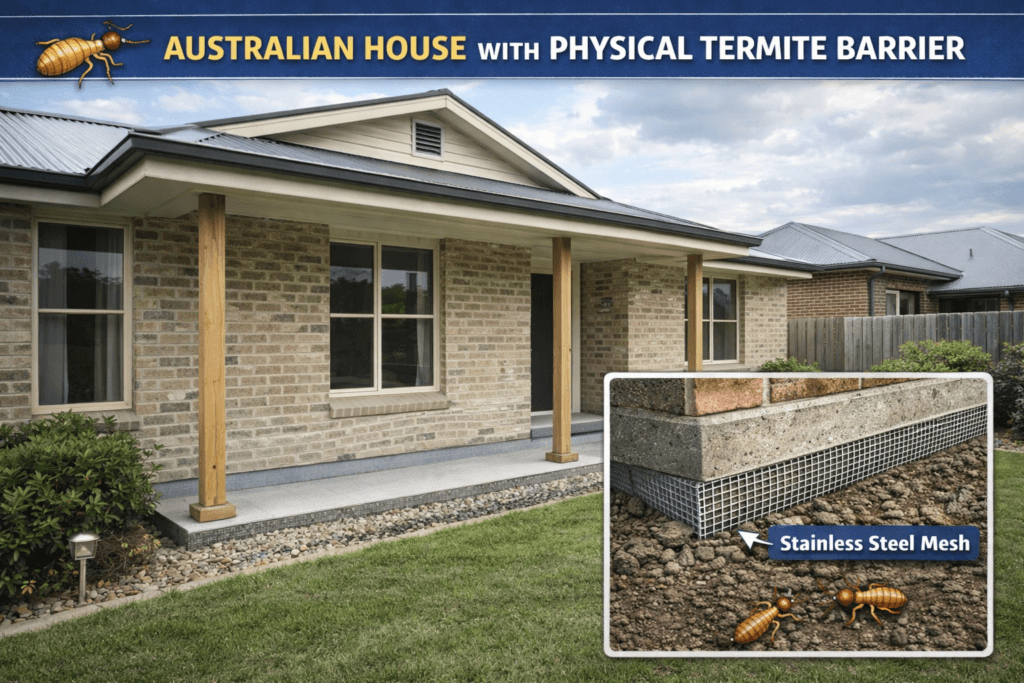
Subterranean termites don’t need a large opening to enter a building. They can exploit gaps as small as 1–2mm around plumbing penetrations, between concrete slabs and wall framing, through weep holes in brick veneer construction, and around conduit and service entries.
Older Port Macquarie homes — and some newer ones — often have unintentional entry points that develop over time as materials settle, shift, or age. These aren’t always visible without close inspection, but they represent direct access routes for foraging termites.
During a professional inspection, your pest manager will identify and document these potential entry points as part of their assessment. Sealing or treating them is an important part of any termite management plan.
The Attractants Port Macquarie Homeowners Most Commonly Overlook
When we ask homeowners what they think their main termite risk factors are, most mention firewood and old stumps. Far fewer think about these:
Air conditioning condensate drainage — units that drain onto garden beds or soil close to the house create consistent moisture exactly where you don’t want it. Extend drainage lines to direct water away from the building.
Formwork and construction off-cuts — timber left in the ground or under the house after a renovation or extension is a surprisingly common finding during inspections. Any buried or semi-buried timber on your property is a risk.
Decorative timber features — timber garden edging, sleeper garden beds, decorative log features, and timber retaining walls close to the house are all conducive conditions that homeowners rarely connect to termite risk.
Dense planting against external walls — thick shrubs and ground cover against the house wall trap moisture, prevent inspection visibility, and create concealed access conditions that termites exploit readily.
Reducing Attractants Doesn’t Replace Inspections
This is an important point that’s worth stating clearly.
Addressing the attractants on this list will genuinely reduce your property’s risk profile. It makes your home a less appealing target and removes some of the conditions that support termite activity. That’s meaningful and worth doing.
But it does not make your property termite-proof, and it is not a substitute for professional inspections.
Termites can still find their way into a well-maintained property. They can travel significant distances through the soil. They can enter through gaps that aren’t visible without specialist equipment. And a property that looks low-risk on the surface can still have active termite activity that only a thermal imaging inspection would detect.
Think of attractant reduction as one layer of a multi-layer protection strategy — alongside professional inspections, physical or chemical barriers, and ongoing monitoring.
For a full picture of how often your Port Macquarie property should be professionally inspected, our frequency guide covers the recommended schedule by property type and risk level.
A Practical Termite Prevention Checklist for Port Macquarie Homes
Work through this list at least once a year — ideally in spring before termite foraging activity peaks:
- [ ] Gutters and downpipes clear and directing water away from the building
- [ ] No pooling water against the house perimeter after rain
- [ ] Mulch kept 150–200mm away from exterior walls, no deeper than 75mm
- [ ] Firewood stored off the ground, away from structures
- [ ] No timber-to-soil contact within the building zone
- [ ] Tree stumps and large dead roots removed or professionally ground
- [ ] Subfloor vents clear and unobstructed
- [ ] Leaf litter and organic debris cleared from perimeter and under decking
- [ ] No stored timber, cardboard or organic material under the house
- [ ] AC condensate and irrigation drainage directed away from the building
- [ ] Dense planting thinned back from exterior walls
- [ ] Annual termite inspection booked and up to date
Know Your Risk — Then Get It Checked
Understanding what attracts termites to your home is genuinely useful. Acting on that knowledge is even more useful. But the most important thing any Port Macquarie homeowner can do is combine good preventive habits with regular professional inspections.
Port Pest Services works with homeowners across Port Macquarie and the Hastings Valley to identify termite risk, address conducive conditions, and provide thorough pest inspections in Port Macquarie that give you a clear picture of where your property stands.
If you’ve worked through this article and identified several risk factors on your property, now is a good time to book an inspection — before any existing foraging activity has a chance to become a serious problem.
And if you’d like to understand what the signs of active termite presence actually look like between inspections, our guide to termite warning signs Port Macquarie homeowners should know is the natural next read.
Frequently Asked Questions
Does mulch really attract termites?
Yes — particularly thick layers of wood chip or bark mulch placed directly against the house perimeter. Mulch retains moisture, provides organic food material, and creates a sheltered environment that termite foragers actively seek. The risk isn’t mulch itself — it’s mulch in the wrong location. Keep it at least 150–200mm from exterior walls and no deeper than 75mm. Gravel or pebble alternatives near the house perimeter are a lower-risk option.
How does moisture attract termites?
Subterranean termites require consistent moisture to survive and will actively forage toward moisture sources. Any area of your property that retains or accumulates moisture — poor drainage, leaking pipes, blocked gutters, inadequate subfloor ventilation — creates conditions that termites will seek out. In Port Macquarie’s already humid environment, additional moisture sources compound an already elevated baseline risk.
Can removing attractants eliminate my termite risk entirely?
No. Removing attractants meaningfully reduces your risk and makes your property a less appealing target — but it cannot eliminate termite risk entirely. Termites can still travel through the soil from distant colony locations, enter through construction gaps that aren’t visible to the untrained eye, and find their way into properties that appear well-maintained on the surface. Attractant reduction works best as part of a broader strategy that includes regular professional inspections and, where appropriate, physical or chemical barriers.
How far can termites travel to reach my home?
Subterranean termite colonies — particularly Coptotermes acinaciformis, the species most commonly responsible for structural damage in the Port Macquarie area — can establish foraging galleries extending 50 to 100 metres from the central nest. This means a colony nesting in bushland, a neighbour’s property, or a tree stump several properties away can still reach your home. Distance from visible vegetation is not a reliable measure of safety.
Do certain plants attract termites?
Termites are primarily attracted to dead or decaying timber rather than living plants — but certain garden choices create conditions that increase risk. Large native trees close to the house have extensive root systems that can harbour colony activity. Dense low-growing plants against exterior walls trap moisture and reduce visibility. Timber garden edging, sleepers, and wooden planter boxes create timber-to-soil contact. The plants themselves aren’t the issue — it’s the conditions they create around your home that matter.