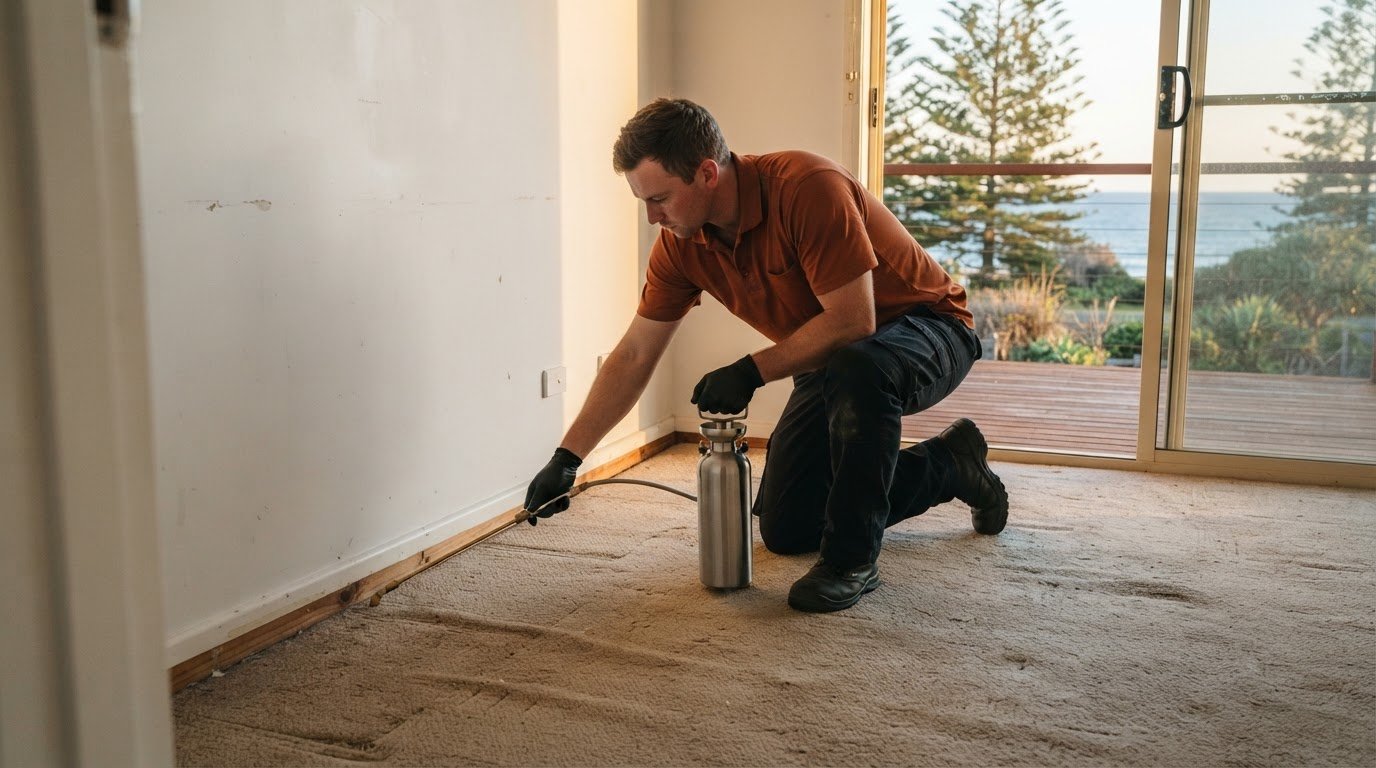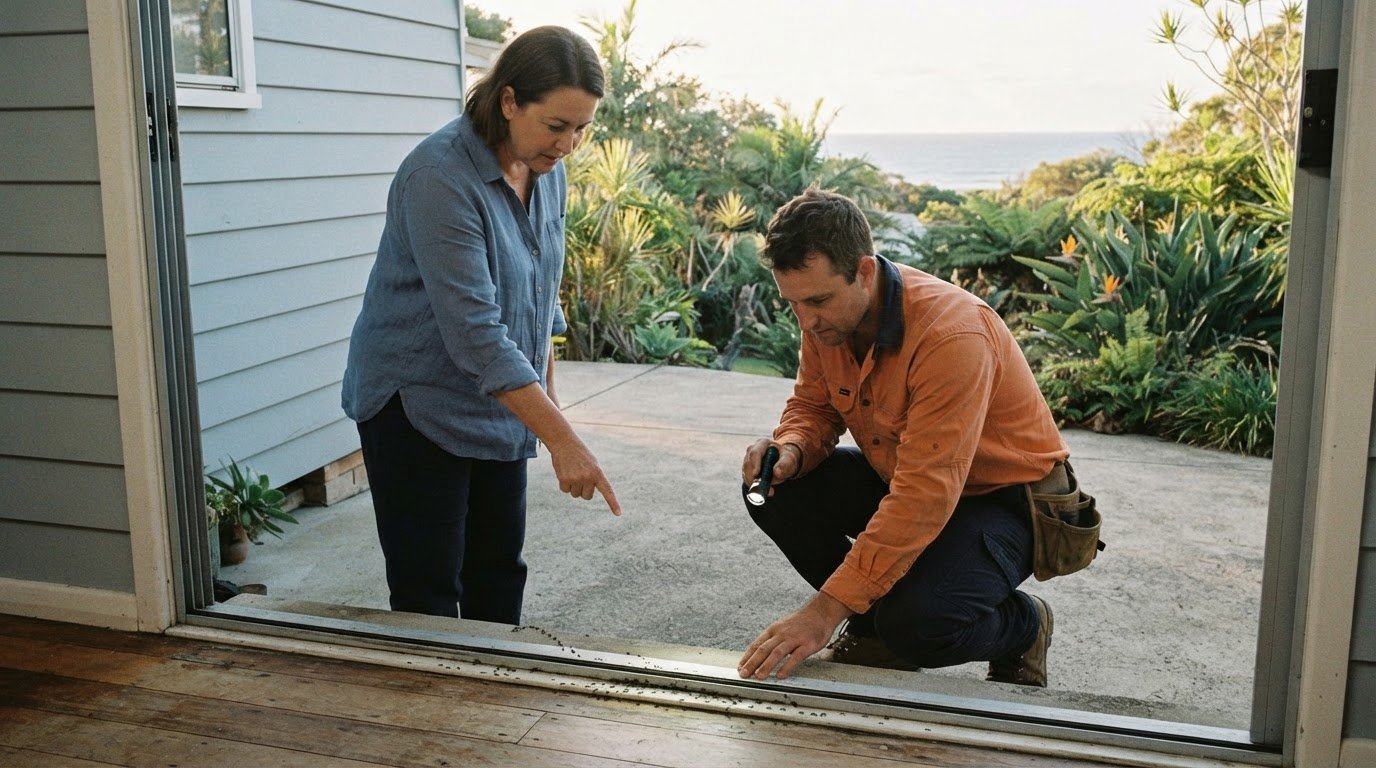
For an end-of-lease pest spray in Port Macquarie, coordinate treatment with your move-out, tell the technician which pests you’ve seen, and share relevant household needs before the visit. It’s understandable to want a clear plan while you pack and arrange the handover. A professional treatment may cover common pests such as ants, cockroaches, fleas, silverfish and spiders, with the approach shaped by the pest and the property.
This guide covers how to prepare, which pests Port Pest Services treats, and what to consider for children and pets. It also explains how to arrange end-of-lease pest control in Port Macquarie and what information to provide when booking. Check your agreement and written handover instructions so the service you book matches the stated requirement.
Key Takeaways
- Share details about children, pets and the pests you’ve noticed so treatment and safety instructions can suit the home.
- Review your tenancy requirements before arranging an end-of-lease treatment, particularly if pets have lived at the property.
- Flea treatment is one of the pest services available; the treatment approach depends on the pest and the property.
- Arrange termite inspections at least every 12 months, and learn how Port Pest Services can help with rodents and ants.
Is pest control safe for children and pets in Port Macquarie?
For a residential pest treatment in Port Macquarie or the Hastings, safety depends on matching the treatment to the pest and following product directions. Before work begins, tell the technician about children, pets, fish tanks and rooms used for sleeping or eating. The technician can explain which areas need to remain clear and when people and animals can return. Don’t assume every product has identical precautions or re-entry guidance.
Port Pest Services treats household pests in Port Macquarie and surrounding areas, including ants, cockroaches, fleas, silverfish, spiders, rats, mice, bees, and wasps. Tell the technician where you have noticed activity and whether children or pets use that area. The treatment is selected for the pest and property, with safety guidance provided for the work.
Port Pest Services uses fully licensed and insured technicians for residential pest control. Before treatment, tell the technician about access needs and ask for guidance on treated spaces, including bedrooms, kitchens, and outdoor areas. The service includes safety guidance for families and pets, which you should follow before allowing household members or animals back into treated areas.
In Port Macquarie, yearly general pest treatment is recommended as a minimum. The timing and areas treated depend on pest activity and the property. A technician can explain whether the visit addresses a current issue or forms part of regular residential pest control. For instance, ants returning near a doorway may call for attention to that location, while signs of rats and mice require a different assessment.
Is end-of-lease pest control required in Port Macquarie, NSW?
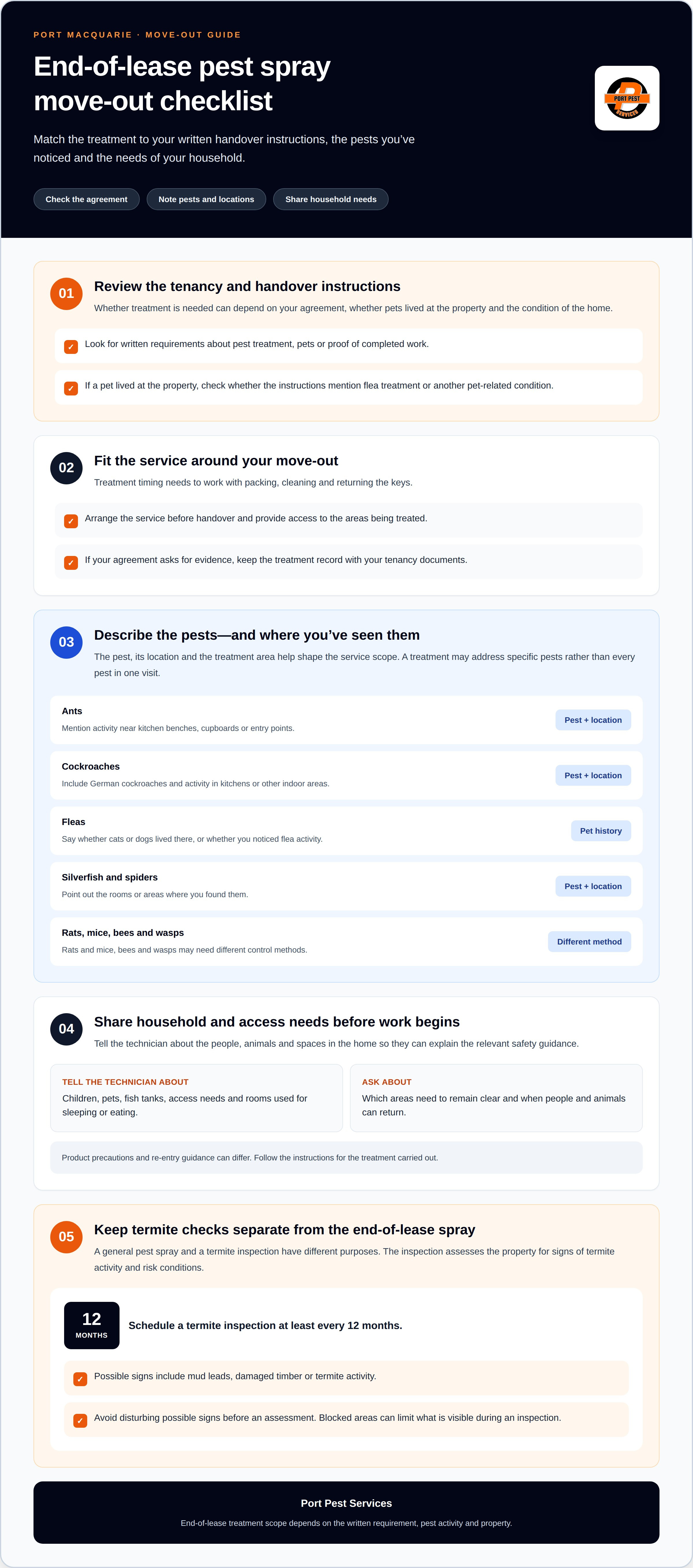
Whether end-of-lease pest control is needed may depend on the tenancy agreement and whether pets have lived at the property. Treat this as a tenancy handover task, not simply a general household preference. The requirement may be especially relevant where a pet has been present, so plan treatment as part of your move-out arrangements. The exact service needed depends on the agreement and property circumstances.
Start by reviewing the pest-control wording in your tenancy agreement and any move-out instructions. Look for a clause about treatment, pets, or proof of completed work. For example, a tenant whose cat lived inside should note any requirement for flea treatment. A dog at the property may also make the pet-related condition relevant. Keep the agreement and handover instructions together while arranging the final tasks.
Timing matters because treatment needs to fit around packing, cleaning, and returning the keys. Arrange the service before handover and provide access to the areas being treated. If your agreement asks for evidence, keep the treatment record with your tenancy documents. This gives you a clear record of the work and helps avoid searching for paperwork on moving day.
For an end-of-lease pest spray in Port Macquarie, explain whether pets lived at the property and identify any pest concerns. Fleas may be relevant after cats or dogs have occupied a home; ants or cockroaches may need attention for other reasons. The pest and any written tenancy requirement determine the treatment scope. Read the move-out instructions carefully and book a service that fits them.
What pests are covered by an end-of-lease pest spray, and is flea treatment included?
An end-of-lease pest spray in Port Macquarie can address specific pests found at a property, rather than every pest in one treatment. Common examples include ants, cockroaches, fleas, silverfish and spiders. Rats and mice, bees and wasps may need different control methods. The pest present, its location and the treatment area shape the service scope.
Examples of pests that may need attention include:
- Ants around kitchen benches, cupboards or entry points.
- Cockroaches, including German cockroaches, in kitchens and other indoor areas.
- Fleas where cats or dogs have lived, or flea activity is evident.
- Silverfish or spiders found inside the home.
- Rats and mice in places such as roof spaces or storage areas.
Port Pest Services provides flea treatment. It may be relevant when pets have occupied the home or fleas have been noticed. Tell the technician about the pets’ history and any observed activity so the treatment can address the areas of concern. For an end-of-lease pest spray in Port Macquarie, these details help clarify the scope.
Before treatment, explain what you have seen and where. For example, mention ants near a pantry, cockroaches in a kitchen cupboard, or spiders in a particular room. Say whether cats or dogs lived at the property and whether you noticed fleas. This helps focus the treatment on the relevant pest and areas. Check whether your tenancy agreement specifies a particular treatment, then make sure the service you arrange matches the written requirement.
External webbing spider treatments in Port Macquarie come with a 6-month warranty.
All Pest Solutions says warm, humid conditions on the Mid North Coast can keep pests active for much of the year.
Termite inspections and treatments in Port Macquarie
Termites need a separate assessment from a general end-of-lease pest spray. A termite inspection looks for signs of activity and conditions that may leave a property at risk. In Port Macquarie, schedule an inspection at least every 12 months. Regular checks can help identify concerns before they become more extensive, particularly in homes where timber structures or stored materials are accessible to pests.
During an inspection, a technician assesses accessible areas for signs such as mud leads, damaged timber or termite activity. Access and visibility affect what can be examined, so blocked areas may limit the inspection. If you notice possible termite signs, avoid disturbing them. Keeping the area intact can help the technician assess what is happening and recommend an appropriate next step.
A termite inspection and termite treatment serve different purposes. An inspection assesses the property; treatment addresses termite activity or helps protect the structure. Port Pest Services offers termite inspection, baiting, barriers, and tree treatment for active termites. The recommended work and scope depend on the findings and property conditions.
For a rental handover, check whether the tenancy agreement calls for termite-related work. A standard pest spray should not be treated as proof that a termite inspection has taken place. Keep any inspection or treatment record with your property documents, especially if you manage a home between tenancies. For ongoing property care, retain the inspection findings so future checks can account for earlier activity and treatment.
Port Pest Services
Port Pest Services provides pest control in Port Macquarie and surrounding areas, including treatment for mice, rats, other rodents, and ants. These pests can create different concerns during a tenancy handover, from activity in a roof space to ants near kitchen entry points. Identifying the pest and affected area helps focus the treatment on the problem you need addressed.
Port Pest Services treats mice, rats, other rodents, and ants. Contact the business if you have noticed droppings, scratching sounds, damaged food packaging, or trails of ants inside the property. Describe what you have observed and where it is happening so the relevant service can be discussed.
For an end-of-lease property, distinguish any tenancy requirement for a particular service from other pest concerns. Rodent activity in a roof space, for example, is different from a pet-related flea-treatment clause. Port Pest Services can assist with rodent and ant issues; the treatment needed for handover depends on your agreement and the pest involved.
The business is locally owned and based in Port Macquarie, with services for homes and businesses between Forster and Kempsey. Its enquiry form is available around the clock for a free quote. Include the property location, the pest you’ve noticed and the areas affected, so your enquiry gives a clear picture of the work you’re asking about.
If rodents or ants are part of your property concern, contact Port Pest Services for a free quote and to discuss the next step.
Frequently Asked Questions
What should you do to prepare for a professional end-of-lease pest treatment?
Confirm the appointment and make sure the technician can enter the property. Before the visit, identify rooms or areas needing attention, such as a storeroom where you have seen pest activity. Have keys, access codes, and relevant property instructions ready. If belongings may restrict access, point this out so the treatment plan can account for it.
What does NSW law say about tenants’ end-of-lease pest treatment obligations?
NSW law does not require pest treatment at the end of every tenancy. Your obligations depend on the tenancy agreement and circumstances, including any terms relating to pets. Read the relevant clauses alongside your move-out instructions. If the wording is unclear, seek independent tenancy advice before treating a general pest spray as a legal requirement or assuming no treatment is needed.
When must a tenant provide proof of professional pest treatment at the end of a lease?
Provide evidence by the deadline set in your tenancy agreement or written handover instructions. If the timing or required form of evidence is unclear, ask the property manager to put the requirement in writing before arranging the service. Keep the response with your tenancy records so you can match the treatment documentation to the specific request.
Does the lease need to specify pest treatment for it to be required?
A lease clause sets out the agreed treatment requirement, but its absence alone does not settle every situation. Pet-related terms or separate written tenancy instructions may also matter. Read the agreement as a whole and note whether it names a pest, treatment type, or proof requirement. Avoid assuming a general spray fulfils a specific condition, or that every tenant has the same obligation.
What preparation is required before a rental property pest treatment?
Follow the technician’s instructions for the treatment booked, as preparation depends on the pest and areas involved. Make sure the technician can access the relevant rooms, and mention access restrictions or items that cannot be moved. If the property is being handed over, coordinate the appointment with cleaning and key return. Follow the re-entry guidance provided after the visit.
How far in advance should end-of-lease pest control be booked in Port Macquarie?
Arrange the treatment before your handover date and allow the technician access to the areas being treated.